Orkap is the only collaboration CRM where the product is the first-class object. That one choice changes every feature — from inboxes and pipelines to templates and analytics.
Short answer
Orkap organizes every feature around the product you sell. Each product gets its own inbound email alias, deal pipeline, template library, follow-up sequences, and analytics. Nine features, one organizing principle: a partnership conversation always lives inside the workspace of the product it belongs to.
Each product you sell becomes a self-contained collaboration workspace — its own inbox, pipeline, templates, follow-ups, and analytics.
A dedicated @loop.orkap.com inbound alias per product. Zero cross-contamination across SKUs.
Explore →Separate stages, statuses, and deal tracking for every product — no manual tagging.
Explore →Templates scoped to the product, auto-filling name, pricing, and affiliate terms.
Explore →Automated, per-product follow-up sequences that fire on schedule, in the right time zone.
Explore →Deal velocity, response rate, and partnership value per product, in one dashboard.
Explore →Seat-level, per-product access controls. Teammates only see what you assign.
Explore →Branded custom-domain aliases per product. Deliverable and on-brand.
Explore →A reusable, versioned library so every pitch stays on-brand and on-SKU.
Explore →Niche, budget tier, collaboration type, DA/PA — enrich contacts your way.
Explore →A newsletter editor emails about featuring your Figma UI Kit. Here's what happens — and what never has to happen again.
01
The email hits [email protected] and lands in that product's workspace. Nobody reads it to figure out what it's about.
02
The kit's pipeline, prior conversations with this editor, and its media kit are on the same screen as the thread.
03
You pick the newsletter template from that product's library — price, affiliate rate, and media-kit URL fill in from the product record.
04
The conversation becomes a deal card: In Conversation → Negotiating → Won, with the Live URL logged on the win.
05
If the editor goes quiet, the follow-up sequence fires on Day 4 and Day 10 — and the thread surfaces in your daily digest.
IMAGE #2: End-to-end flow
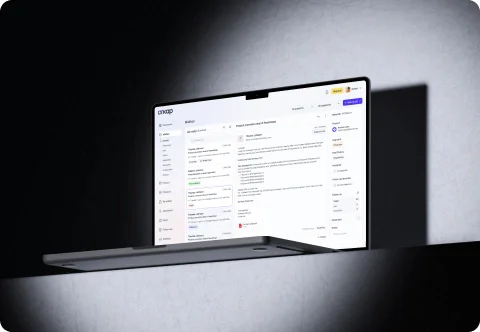
One inbound email traveling the full path: alias → product workspace → templated reply → pipeline card → automated follow-up. (Annotated screenshot sequence or short animation.)
When you sell three, six, or ten products, a shared inbox and a campaign-first tool stop scaling. Orkap was built for exactly that moment.
See who Orkap is for →
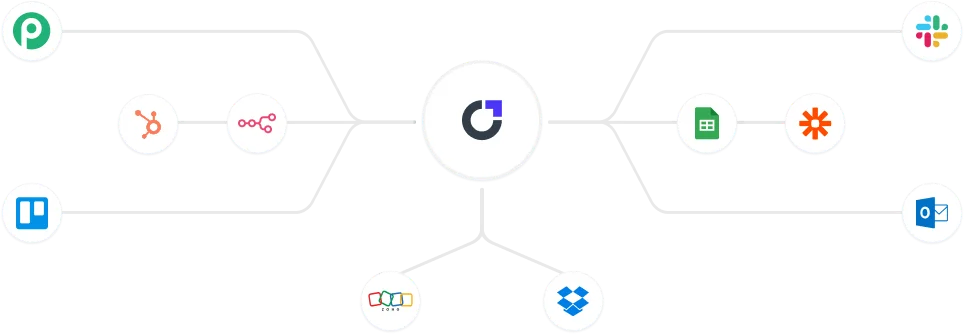
Connect Orkap to the tools your workflow already lives in — Google Sheets, Zapier, n8n, HubSpot, Slack, Outlook, and more. No rip-and-replace.
Start freeHow Orkap’s product-first model works in practice.
Orkap treats the product as the first-class object. Instead of one shared inbox and campaign list, every product you sell gets its own inbox, pipeline, templates, and analytics — so partnership conversations are always organized by product.
No. One Orkap account holds your whole portfolio. Plans are priced by how many products you run — free for 1, $79/mo for 3, $149/mo for 10, and $299/mo for unlimited — not by the number of seats.
Yes. Every product gets a default @loop.orkap.com inbound alias, and Studio and Portfolio plans support custom domain mailboxes so you can route partnership email through your own branded domain per product.
Both. Solo operators get a clean per-product workspace; teams get seat-level, per-product access controls so a teammate or freelance outreach manager only sees the products you assign them.
Most operators are organized in an afternoon. Add each product (about ten minutes each), drop its alias on your product pages and affiliate sign-ups, set your pipeline stages, and load product-scoped templates.
Start free with one product, one seat, 50 contacts a month — no time limit, no credit card. Bring your whole portfolio in whenever you’re ready.